

 English
 русский
 中文简体
中文简体 Español

Husqvarna Mulching Blade: How to Choose the Right One
07 24, 2026
A dull or mismatched blade turns mowing into a chore instead of a quick pass across the lawn. A Husqvarna Mulching Blade is built to cut grass repeatedly into fine particles instead of leaving clumps behind, so clippings break down naturally instead of piling up on the surface. Here's how the blade design works, where it earns its keep, and what to check before buying a replacement.
Mulching isn't just a finer cut. It's a repeated-cutting geometry that turns clippings into a natural fertilizer instead of yard waste.
The Anatomy of a Mulching Blade
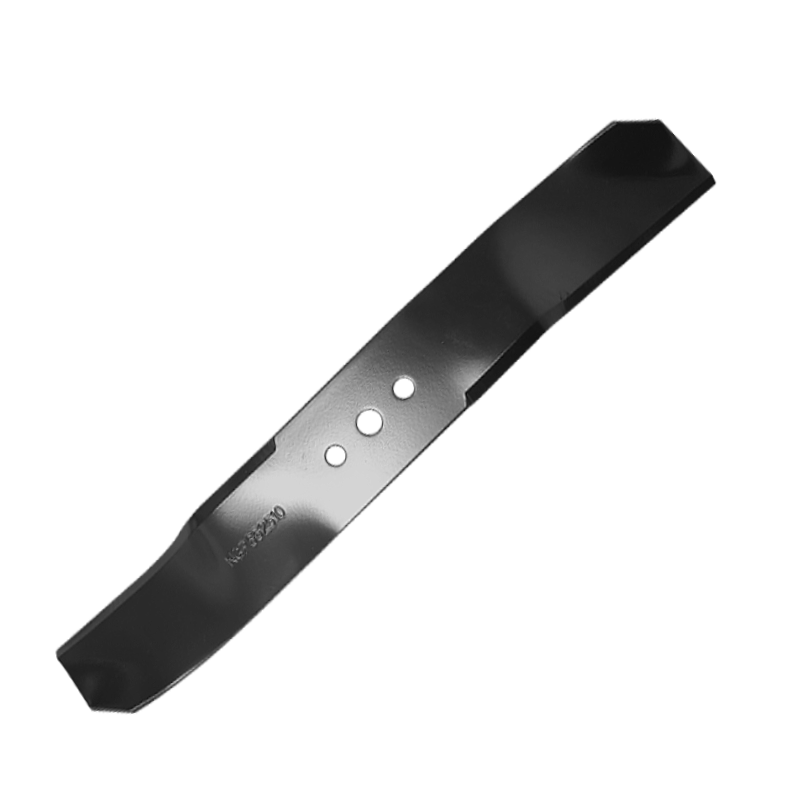
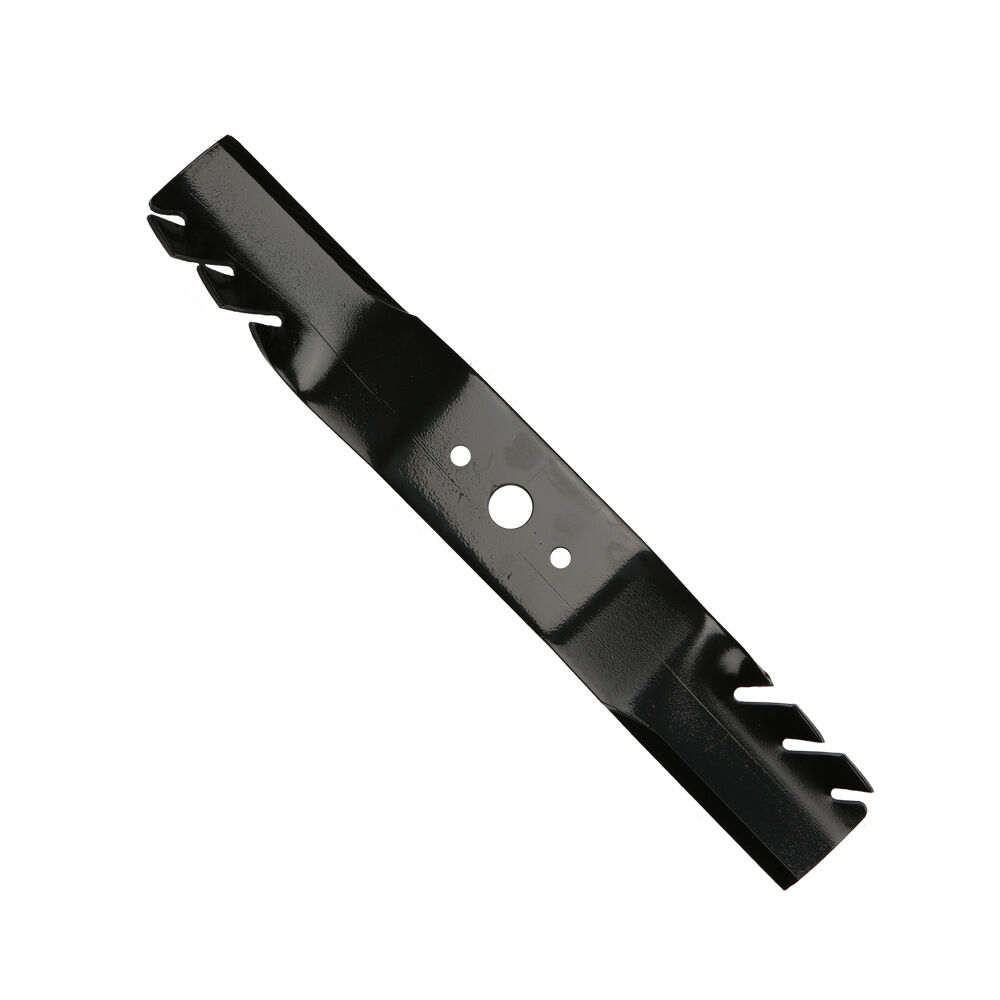
The curved profile and cutting edge geometry are what separate a mulching blade from a standard straight blade, and both matter for how clippings get processed.
- Cutting edge engineered for repeated slicing action
- Curved blade design that lifts and recirculates grass
- Reinforced steel body for impact resistance
- Mounting hole structure matched to mower specifications
- Surface coating for corrosion resistance
How a Mulching Blade Processes Grass
01
The blade spins at high speed as the mower engine drives the cutting deck.
02
Its curved design creates airflow that lifts grass upright inside the cutting chamber.
03
Grass gets cut multiple times as it circulates rather than once and released.
04
Clippings are reduced to fine particles small enough to settle into the lawn.
05
Particles decompose naturally, returning nutrients to the soil.
Mulching Blade vs Standard Mower Blade
| Feature | Mulching Blade | Standard Mower Blade |
| Cutting action | Repeated cutting for fine particles | Single pass, larger clippings |
| Cleanup | Minimal, clippings settle into lawn | Often requires bagging or raking |
| Lawn health | Returns nutrients through decomposition | No nutrient recycling benefit |
| Best fit | Regular maintenance mowing | Bagging-focused or rough cutting jobs |
Where These Blades Get Used
Residential Lawns
Home gardens and private lawns needing efficient, low-cleanup mowing.
Landscaping Services
Commercial property maintenance across repeated mowing routes.
Parks & Public Spaces
Large-area lawn maintenance where efficiency matters most.
Sports Grounds
Turf management that depends on consistent cutting quality.
What to Check Before You Buy a Replacement
Match the Blade to Your Mower and Lawn
- Blade length and mounting specifications for your specific mower
- Lawn size and typical grass density
- Mowing frequency and expected wear rate
Performance Factors to Verify
- Blade material and steel quality
- Heat treatment process for edge retention
- Dynamic balance to reduce vibration during operation
- Surface coating for corrosion resistance
A balanced blade isn't just about a smoother ride. Poor balance accelerates wear on the mower's spindle and bearings over time.
Where Blade Manufacturing Is Headed
Lightweight material development and more precise manufacturing tolerances are pushing blade designs toward better cutting efficiency without sacrificing durability, while recyclable metal materials and energy-efficient production are becoming standard expectations across the industry.
Quick Checklist
- Confirm mounting specifications match your mower model exactly
- Check for dynamic balance testing data from the manufacturer
- Match blade material and coating to your typical grass conditions
- Plan for regular sharpening and inspection as part of routine maintenance
Свяжитесь с нами для получения коммерческого предложения и получайте первоочередной доступ к информации о новых продуктах
 Адрес:Северная часть дороги Гоань, Зона экономического развития, Уезд Гуандэ, Провинция Аньхой, Китай
Телефон: +86-13967663706
Эл. почта: [email protected]
Адрес:Северная часть дороги Гоань, Зона экономического развития, Уезд Гуандэ, Провинция Аньхой, Китай
Телефон: +86-13967663706
Эл. почта: [email protected]
Авторское право © 2025 Anhui Boxing Machinery Co., Ltd Все права защищены.Китайские промышленные лезвия для газонокосилок производители
