

 English
 русский
 中文简体
中文简体 Español

What Features Set HUSTLER Lawn Mower Blades Apart from Competitors?
07 30, 2026
Understanding the Lawn Mower Blade Market
The lawn care industry has evolved significantly over the past two decades, with equipment manufacturers continuously innovating to meet the demands of both professional operators and homeowners. A critical component that often gets overlooked in this discussion is the HUSTLER lawn mower blade itself. While many focus on engine power and deck size, the blade represents the actual cutting mechanism that determines quality of cut, durability, and operational efficiency.
Understanding what differentiates premium blades from standard alternatives requires insight into the engineering, materials science, and design philosophy that separates market leaders from commodity suppliers. This exploration reveals why investment in quality cutting equipment pays dividends through season after season of reliable performance.
Advanced Blade Design Architecture
Modern HUSTLER mower blade systems incorporate sophisticated design principles that go far beyond simple metal bars. The shape, thickness profile, and aerodynamic characteristics all contribute to cutting performance and longevity.
Precision Cutting Edge Geometry
The cutting edge of a blade must balance multiple competing demands: sharpness for clean cuts, durability to resist dulling, and structural integrity under extreme rotational forces. Premium blade designs employ specially calculated edge angles that optimize these factors. A blade designed for standard grass cutting typically features a different geometry than one engineered for tougher commercial applications or exotic turf types.
The transition zone between the cutting edge and the blade body significantly impacts performance. Blades that feature gradual, reinforced transitions maintain their edge longer and resist chipping when encountering obstacles. This design refinement prevents the brittle failure modes common in lower-quality alternatives.
Aerodynamic Lift and Vacuum Design
Effective cutting extends beyond simply slicing grass; the blade must lift cut grass and direct it toward the discharge chute or collection system. Premium designs incorporate subtle curves and contours that generate optimal air pressure distributions, ensuring consistent discharge patterns regardless of grass type or moisture content.
The underside of high-performance blades features strategically positioned vacuum chambers that maintain consistent airflow. This prevents the clogging and uneven cutting that plague poorly designed alternatives, particularly in wet conditions or when cutting thick, dense turf.
Material Science and Metallurgy
The material composition of a blade determines its performance ceiling and operational lifespan. Not all steel is created equal, and the metallurgical choices made during manufacturing profoundly impact durability and cutting performance.
High-Carbon Steel Specifications
Standard lawn mower blades typically use basic carbon steel that meets minimum industry specifications. Premium alternatives employ specially formulated high-carbon steel alloys that offer superior hardness while maintaining necessary flexibility. This balance proves critical: excessive hardness leads to brittleness and failure upon impact, while insufficient hardness results in rapid dulling and edge damage.
Heat Treatment Protocols
The heat treatment process applied after blade formation determines the final material properties. Advanced manufacturers employ multi-stage heat treatment protocols that create specific hardness profiles across different blade regions. The cutting edge receives maximum hardening for durability, while the mounting area retains greater flexibility to absorb vibrational stresses.
Quenching temperatures, holding times, and cooling rates are precisely controlled to achieve optimal microstructural properties. This attention to detail distinguishes products engineered for demanding applications from mass-produced commodity items.
Corrosion Resistance Treatment
Exposure to moisture, fertilizer residues, and cut grass creates a corrosive environment that degrades unprotected steel. Premium blades receive specialized coating treatments that create barriers against oxidation. These coatings must withstand the mechanical abrasion of cutting operations while providing lasting protection.
Distinctive Technical Features
Reinforced Blade Structure
The mounting area of a blade experiences tremendous stress during operation. Cutting forces, rotational inertia, and vibrational harmonics all concentrate at the mounting point. Premium designs feature reinforced sections around mounting holes that distribute stress more evenly, preventing crack propagation and premature failure.
Precision Center Hole Design
The center mounting hole might seem like a simple feature, but its precision directly impacts blade balance and vibration levels. Holes that are slightly off-center or damaged create vibration patterns that stress the spindle bearing and create an uneven cutting quality. High-quality manufacturing maintains extremely tight tolerances on this critical feature.
Weight Distribution Engineering
Balanced blade operation is essential for smooth cutting and spindle longevity. Each blade must have its mass distributed precisely around the center of rotation. Premium products achieve this through careful design of blade thickness and material placement, ensuring that rotational forces remain balanced even as the blade ages and accumulates wear patterns.
Multi-Directional Blade Solutions
Different cutting situations demand different blade designs. Zero-turn equipment operates differently than traditional riding mowers. Commercial applications present different challenges than residential use. Advanced manufacturers offer solutions optimized for specific applications rather than attempting to create universal products.
Performance Characteristics and Real-World Impact
Cutting Quality Metrics
The quality of cut can be measured through several objective standards. Blade tip speed, deck airflow patterns, blade angle of attack, and sharpness retention all contribute to the final result. Premium blade designs consistently produce cleaner cuts with fewer ragged or torn grass stems. This seemingly minor difference provides substantial benefits: cleaner cuts reduce disease transmission pathways, improve turf appearance, and promote healthier plant recovery.
Operational Efficiency Gains
Superior blade design reduces the power required to achieve cutting operations. When blade aerodynamics are optimized and cutting edges remain sharp longer, the engine operates more efficiently, reducing fuel consumption and emissions. Over an entire season of operation, these efficiency gains accumulate into measurable cost savings.
Extended Service Life
Investment in premium blade technology pays dividends through extended operational life. Higher-quality materials resist dulling and damage more effectively than basic alternatives. Many operators report that premium blades require resharpening less frequently and tolerate accidental impacts better than commodity options. This translates into reduced downtime and lower total cost of ownership.
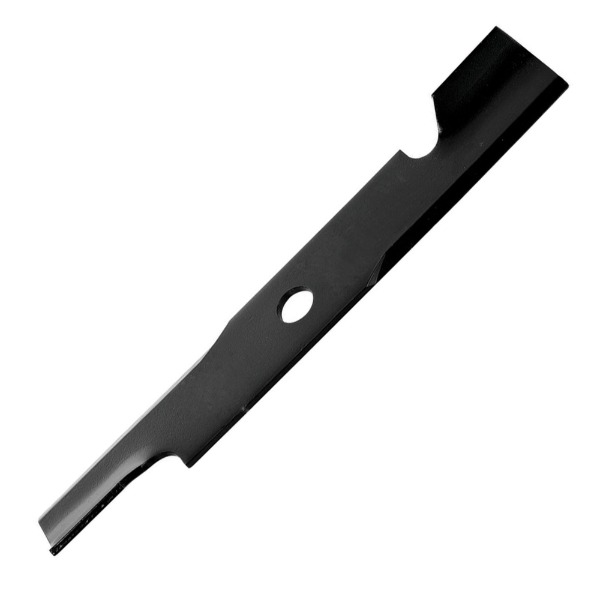
Feature Comparison Framework
The following table illustrates how different blade categories compare across key technical dimensions:
| Feature Category | Standard Blades | Premium Blades | Heavy-Duty Options |
|---|---|---|---|
| Material Grade | Basic Carbon Steel | High-Carbon Alloy | Reinforced Alloy |
| Edge Retention (hours) | 20-30 | 40-60 | 60-100 |
| Impact Resistance | Moderate | High | Very High |
| Corrosion Protection | Basic | Advanced Coating | Multi-Layer System |
| Vibration Level | Moderate to High | Low | Minimal |
| Cutting Quality | Acceptable | Excellent | Premium |
Application-Specific Blade Solutions
Commercial Landscape Operations
Professional landscape contractors operate equipment at higher utilization rates than homeowners, often maintaining multiple properties daily. This demanding operational environment requires Hustler replacement blade systems engineered for durability and consistent performance. Heavy-duty options feature reinforced structures that withstand the rigors of frequent impacts and extended cutting cycles.
Commercial operators benefit from blades with extended edge retention, reducing downtime for sharpening. The superior aerodynamics of premium designs ensure consistent discharge patterns even in challenging conditions like wet grass or thick thatch.
Residential Lawn Care
Homeowners typically seek a balance between performance and cost-effectiveness. Premium residential blades offer significant quality-of-life improvements compared to basic alternatives without the investment level of commercial-grade solutions. The cleaner cuts and more efficient operation appeal to property owners who value their lawn appearance and want to minimize maintenance effort.
Sports Turf Management
Athletic fields and golf course maintenance demand the highest cutting quality standards. Every blade must maintain razor-sharp edges and consistent aerodynamic performance to achieve the precise cutting heights required for professional sports venues. The specialized requirements of this market drive continuous innovation in blade design.
Zero-Turn Equipment Compatibility
Modern zero-turn radius equipment operates fundamentally differently from traditional riding mowers, with multiple blades rotating at different orientations. Blade designs must account for the unique aerodynamic and structural demands of these systems, requiring application-specific engineering.
Blade Design Elements Visual Reference
Blade Maintenance and Longevity Optimization
Proper Storage and Handling
The longevity of premium blade systems begins the moment they arrive from the manufacturer. Proper storage in dry environments prevents corrosion initiation. Blades should be positioned to avoid stress concentration at mounting points. Even high-quality materials can be compromised by improper handling during installation or removal.
Sharpening Best Practices
Maintaining sharp cutting edges extends the operational life of blades and preserves cutting quality. However, sharpening must be performed correctly to avoid damage. Removing excessive material concentrates stress on remaining blade sections. Professional sharpening services employ equipment and expertise that preserve blade integrity while restoring cutting effectiveness.
Balance Verification
As blades accumulate wear patterns, balance characteristics can gradually shift. Periodic balance verification prevents excessive vibration and spindle wear. Modern balance testing equipment can detect imbalances that would be invisible during casual inspection, preventing cascading equipment damage before it begins.
Impact Damage Assessment
Accidental contact with obstacles inevitably occurs during lawn maintenance operations. Determining whether a damaged blade can be safely resharpened or should be replaced requires careful evaluation. Cracks, severe denting, or bent mounting sections indicate structural compromise that makes continued use unsafe.
Emerging Blade Technology Trends
Advanced Composite Materials
Research into alternative materials continues expanding the performance envelope of blade technology. Advanced composites and specialized alloys offer potential advantages in specific applications, though durability records from extended real-world use remain limited. Traditional high-carbon steel continues proving its reliability through decades of operational evidence.
Precision Manufacturing Techniques
Advanced manufacturing technologies like laser cutting and computer numerically controlled machining enable tighter tolerances and more consistent quality than traditional methods. These improvements translate into more balanced, more aerodynamic, and more durable finished products.
Aerodynamic Optimization
Computational fluid dynamics modeling allows engineers to optimize blade shapes for specific cutting applications. Rather than relying on traditional designs refined through incremental evolution, modern development processes employ simulation to explore design spaces impossible to test empirically. This systematic approach produces blades that outperform conventionally designed alternatives.
Smart Monitoring Integration
Emerging blade designs incorporate features that work with sensor technology to monitor cutting performance in real-time. Data regarding blade sharpness, balance, and operational efficiency enables preventive maintenance scheduling that maximizes blade life and minimizes unexpected failures.
Economic Analysis: Cost Versus Value
Total Cost of Ownership Framework
Purchasing decisions based solely on initial acquisition price often prove false economy. A comprehensive economic analysis must account for edge retention, frequency of sharpening requirements, replacement intervals, and associated downtime costs. Premium blades frequently demonstrate lower total cost of ownership despite higher initial investment.
Seasonal Performance Variability
Blade performance characteristics change throughout the operational season as sharpness diminishes and wear patterns develop. Blades engineered with superior edge retention maintain performance consistency longer, requiring fewer maintenance interventions. This consistent performance translates into predictable mowing results and reduced frustration from deteriorating cut quality.
Equipment Lifespan Impact
Using substandard blades creates operational stresses that accumulate damage to spindle bearings, deck components, and the overall cutting deck structure. Premium blade systems that operate with minimal vibration and stress reduce collateral equipment wear, extending the operational lifespan of the entire mowing system.
Selection Criteria for Optimal Blade Choices
Equipment Compatibility Assessment
Blade selection must begin with precise identification of the specific equipment and cutting deck type. Zero-turn mower blades differ substantially from riding mower blades. Mulching systems require different aerodynamic characteristics than discharge systems. Attempting to use incompatible blades creates safety hazards and operational failures.
Application Environment Analysis
Different cutting environments impose different blade requirements. Rocky or sandy soil areas subject blades to more frequent impact events, justifying the investment in impact-resistant designs. Fine turf maintenance requires blades optimized for clean cutting and minimal disturbance. Tall grass or thick thatch cutting demands robust aerodynamic discharge characteristics.
Operational Intensity Evaluation
Commercial operators maintaining multiple properties at high utilization rates benefit from investing in premium durability grades. Homeowners with smaller properties and seasonal use patterns may find that standard-grade options meet their needs adequately. Matching blade grade to operational intensity optimizes the cost-benefit relationship.
Maintenance Capability Assessment
The ability to properly maintain blades impacts the realized value of any blade investment. Operations with access to professional sharpening services and balance testing equipment can extract maximum longevity from premium blade systems. Operators without maintenance infrastructure may find that blade selection focus should emphasize durability over edge retention.
Key Quality Indicators in Blade Evaluation
Material Documentation
Quality manufacturers provide material specifications detailing steel grade, hardness ratings, and coating systems employed. This transparency allows informed comparison between options. Lack of material documentation suggests commodity-grade production with minimal engineering investment.
Manufacturing Precision Standards
Tight tolerances on mounting holes, balance characteristics, and dimensional specifications indicate manufacturing discipline. Precision-engineered products demonstrate measurably lower vibration levels and more consistent performance than loosely manufactured alternatives.
Corrosion Resistance Testing Data
Reputable manufacturers conduct salt-spray and humidity testing to verify coating durability. Published test data demonstrating coating performance provides confidence in product longevity claims. Third-party certifications validate coating system effectiveness.
Performance Validation Results
Independent testing of cutting quality, edge retention, balance, and aerodynamic performance provides objective evidence of design effectiveness. Manufacturers willing to publish such data demonstrate confidence in product performance and commitment to quality verification.
Frequently Asked Questions
Q1: How often should lawn mower blades be sharpened?
Sharpening frequency depends on usage intensity, cutting conditions, and blade quality. Heavy-duty professional blades engineered for extended edge retention might require sharpening every 40-60 hours of operation, while basic blades may need attention every 20-30 hours. Mowing in sandy conditions significantly increases dulling rates. Regular inspection helps identify when sharpening becomes necessary rather than following rigid schedules.
Q2: Can I use any replacement blade in my mower?
No. Blade compatibility is critical for safe operation. Different mower types and deck designs require specifically engineered blade solutions. Using incompatible blades can create dangerous vibration, improper discharge patterns, and structural failures. Always verify compatibility with your equipment specifications before purchasing replacement blades.
Q3: What causes premature blade dulling?
Multiple factors accelerate dulling beyond normal wear. Cutting in sandy or dusty conditions dramatically shortens edge life due to abrasive contact. Wet grass clumping creates additional stresses. Accidentally striking hard objects like rocks creates chips that initiate accelerated dulling. Proper mowing technique and maintaining optimal cutting conditions extend blade life substantially.
Q4: How do I know if a blade needs replacement versus sharpening?
Blades with minor dulling and good structural integrity are candidates for sharpening. Visible cracks, permanent bends, or severe damage indicate that sharpening would not restore safety and performance. Blades that repeatedly strike obstacles or show metal fatigue characteristics should be replaced rather than resharpened repeatedly.
Q5: What is blade balance and why does it matter?
Blade balance refers to even mass distribution around the center of rotation. Imbalanced blades create vibration that stresses bearings, reduces cutting quality, and can damage equipment. As blades dull unevenly or accumulate wear patterns, balance shifts. Professional balance verification prevents cascading equipment damage and ensures optimal performance.
Q6: Are expensive blades always worth the investment?
Higher cost often indicates superior materials, advanced manufacturing, and rigorous quality control, but price does not always correlate with value. The optimal blade choice depends on matching blade grade to specific application requirements. Specifying commercial-grade blades for light residential use wastes money, while using basic blades in demanding professional applications creates safety and performance compromises.
Q7: Can lawn mower blades be straightened if bent?
Minor bending in the non-critical portions of a blade might be straightened, but this is generally not recommended. Straightening processes can introduce material stress and microcracking that compromise structural integrity. Bent blades should be replaced to maintain safe operation. The relatively low cost of blade replacement compared to potential equipment damage justifies this conservative approach.
Q8: What environmental factors affect blade lifespan?
Moisture exposure accelerates corrosion processes despite protective coatings. Fertilizer residues and plant acids create corrosive conditions. UV exposure from sun exposure degrades some coating systems over time. Storing blades in dry, sheltered environments significantly extends lifespan compared to leaving them exposed to weather during off-season storage.
Хиты Продукция
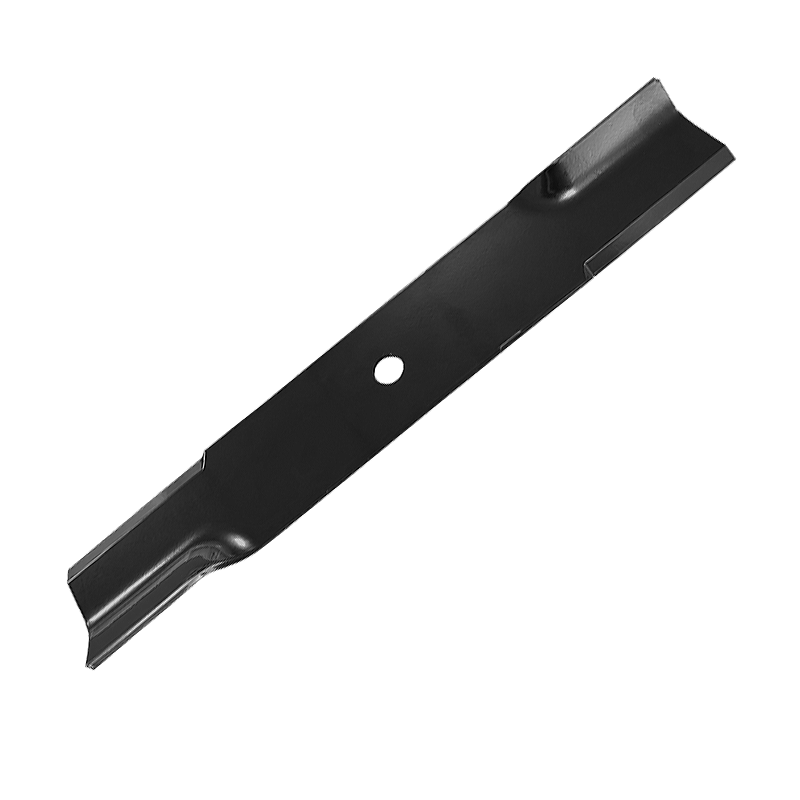
Свяжитесь с нами для получения коммерческого предложения и получайте первоочередной доступ к информации о новых продуктах
 Адрес:Северная часть дороги Гоань, Зона экономического развития, Уезд Гуандэ, Провинция Аньхой, Китай
Телефон: +86-13967663706
Эл. почта: [email protected]
Адрес:Северная часть дороги Гоань, Зона экономического развития, Уезд Гуандэ, Провинция Аньхой, Китай
Телефон: +86-13967663706
Эл. почта: [email protected]
Авторское право © 2025 Anhui Boxing Machinery Co., Ltd Все права защищены.Китайские промышленные лезвия для газонокосилок производители
